
Skull Theory Gender Prediction: Fun, Not Fact

Skull theory is a popular but unproven way to guess a baby's sex from the shape of the skull on an ultrasound. People compare the size and outline of the head and jaw, then call boy or girl. It is a fun waiting-room game, not a medical test, and the accuracy sits close to a coin flip.
What is skull theory?
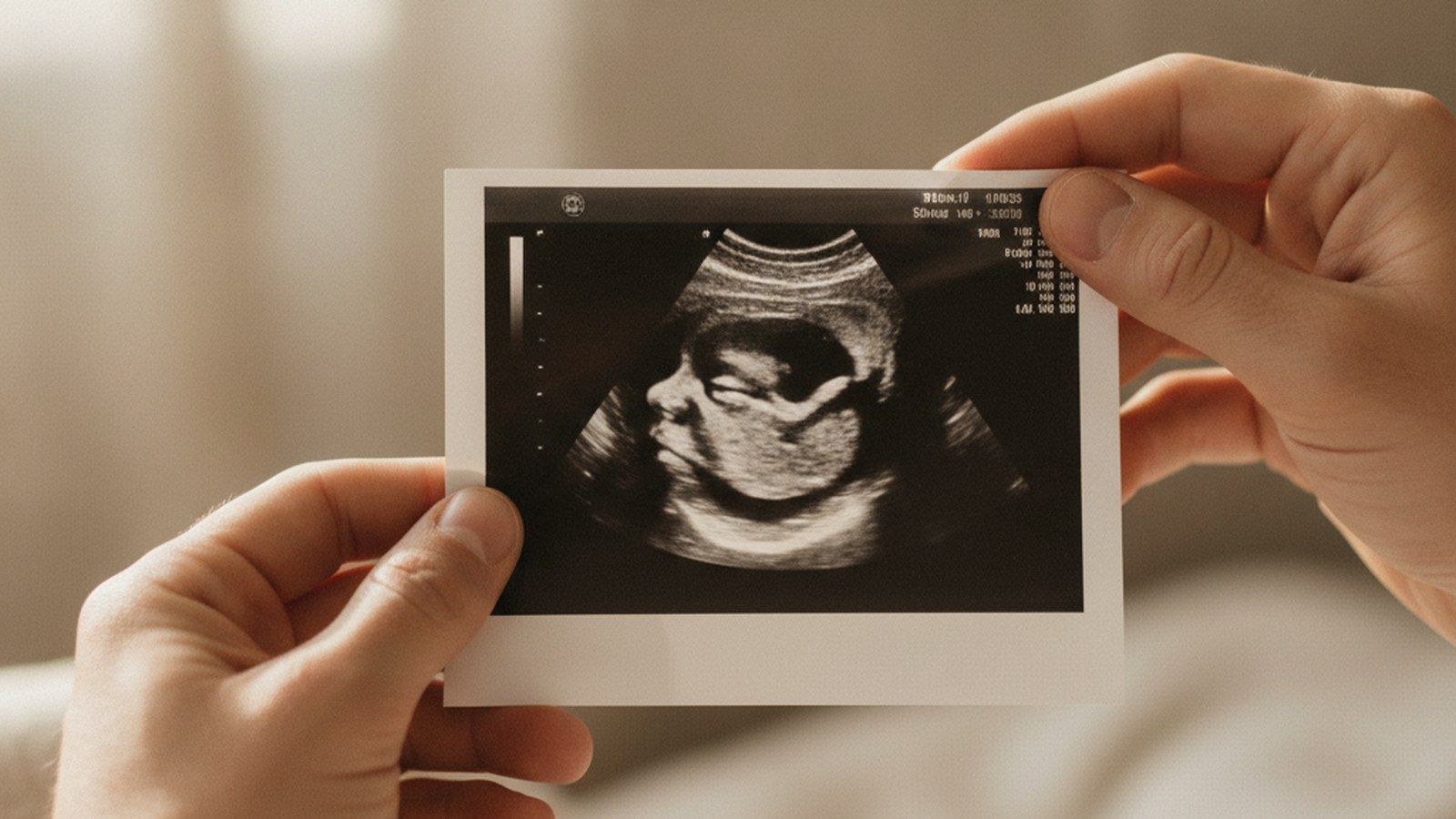
The theory means reading a profile ultrasound image and judging the shape and size of your baby's skull and jaw to guess boy or girl. Fans look at a clear side view of the head, then match it against example pictures online.
The idea leans on the claim that male and female skulls differ in shape. That difference is real in grown adults, yet it barely shows before puberty.
The boy vs girl skull markers people cite
Fans list a set of traits for each guess. Treat these as folklore, not fact.
Supposed boy markers:
- A larger, blockier skull
- A more sloped forehead
- A squarer, heavier jaw
- A pronounced brow ridge above the eyes
Supposed girl markers:
- A rounder skull
- A more vertical, upright forehead
- A rounder, tapered jaw
- A smoother brow with less of a ridge
These lists sound convincing, yet no scan measures your baby against them in a dependable way. Two people can read the same image and land on opposite answers.
How people try it
Most parents start with a clear profile shot from a routine scan, usually in the first or second trimester. They line the image up straight, look at the forehead slope and jaw, then compare it with boy and girl example charts on parenting forums.
The catch: ultrasound angle, tilt, and image quality change the shape you see. A slight head turn can make a round skull look blocky. That wobble is one reason the guess never settles on a steady answer.
Does skull theory actually work?
Short answer: no, not in any dependable way. Skull differences between the sexes are tiny and inconsistent before puberty, so a fetal skull gives almost no honest signal about sex. Prenatal imaging research backs this up, and reading a grainy profile shot lands you near 50/50.
For an answer you can trust, two methods do the real work. The anatomy ultrasound around the middle of pregnancy checks development directly. NIPT, a simple blood test, reads fetal DNA and can flag sex early with high accuracy. If you want the science behind the guesses, our guide to boy or girl myths versus science walks through it.
How it compares with nub and Ramzi theory
Skull theory has cousins. Nub theory reads the angle of a small genital bud on an early scan, explained in our nub theory guide. Ramzi theory guesses from the side where the placenta sits.
All three are guessing games shared for fun, and none replaces a medical scan. If you enjoy one, you will probably enjoy the rest. Hold every result loosely and let the anatomy scan or blood test give the final word.
Enjoy the guessing game
Half the fun of pregnancy is the guessing. Print your profile scan, rope in family, and cast your votes. Skull shape, nub angle, old wives' tales, whatever you like. Keep it playful, then wait for the scan or test that truly knows.
FAQ
How accurate is skull theory?
Not accurate. Male and female skulls barely differ before puberty, so a fetal profile gives no dependable clue about sex. Real accuracy comes from the anatomy ultrasound and NIPT blood testing.
At what week can you try skull theory?
Parents try it once they have a clear profile scan, often in the first or second trimester. Earlier images are blurrier, so the read is even shakier. Whatever the week, treat the guess as entertainment.
What are the boy vs girl skull signs?
Fans tie boys to a larger, squarer skull with a sloped forehead and a heavier jaw. Girls get a rounder skull with an upright forehead and a softer jaw. None of these signs holds up as reliable.
Is skull theory better than nub theory?
Neither is reliable. Both are fun guessing games with accuracy near a coin flip. For a real answer, lean on the mid-pregnancy anatomy scan or an NIPT blood test, not skull or nub reads.
The honest takeaway
Skull theory is a light, shareable way to pass time while you wait for a real answer. Enjoy the debate, screenshot the profile, and take every boy-or-girl call with a smile.
Want more baby fun while you wait? Try our baby generator to preview your future baby's face.