
Old Wives Tales for Baby Gender: Folklore vs Fact
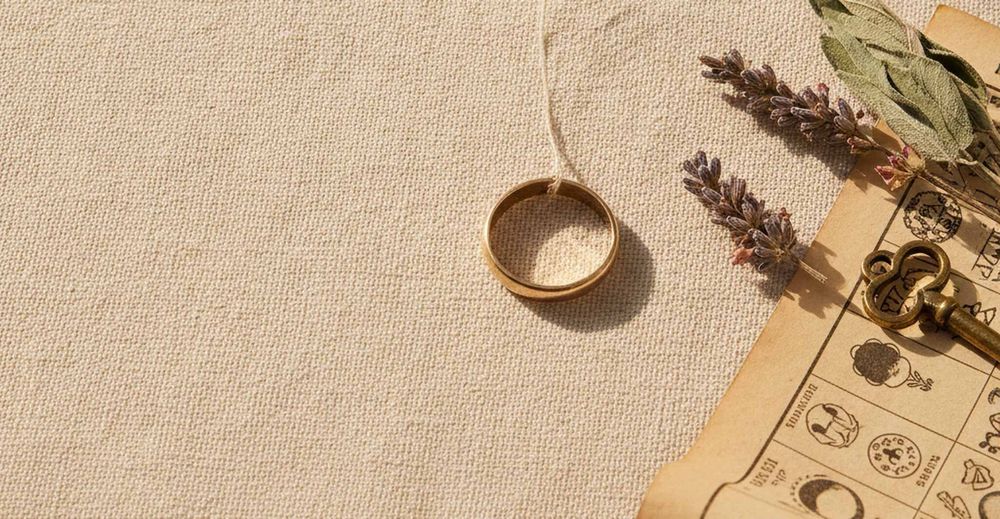
Old wives tales about gender are pure fun, not science. For generations, families have guessed boy or girl from the shape of a bump, a craving, or a ring on a string. None of these gender prediction tricks reliably work. Only two tools do: a NIPT blood test from around 10 weeks and the anatomy scan at 18 to 20 weeks. Everything below is folklore worth a laugh at a baby shower, and nothing more.
Want the science side in depth? Our myths versus science guide breaks down why these guesses land at 50/50. Here we just enjoy the tales, one by one.
Body and belly tales
Carrying high or low
The claim: carry high and it's a girl, carry low and it's a boy. The truth: bump height comes from your muscles, posture, and how many babies you have carried before, not the baby's sex. It's 50/50.
Belly shape: round or watermelon
The claim: a round, basketball bump means a boy, while a wide, watermelon spread means a girl. The truth: your torso length and core strength shape the bump. There is no link to sex.
Linea nigra length
The claim: if the dark line up your belly runs past the navel, expect a boy; if it stops below, expect a girl. The truth: the linea nigra comes from pregnancy hormones and pigment. Its length says nothing about the baby.
Cold feet
The claim: constantly cold feet mean you are having a boy. The truth: circulation and hormones shift for everyone while pregnant. Cold toes predict nothing but chilly socks.
Heart rate above or below 140
The claim: a heartbeat over 140 bpm points to a girl, under 140 to a boy. The truth: studies find no reliable difference in fetal heart rate between the sexes. It changes with the baby's age and movement, not gender.
Cravings, skin, and symptoms
Sweet versus salty cravings
The claim: craving sweets means a girl, reaching for salty or sour snacks means a boy. The truth: cravings follow your appetite and blood sugar, not chromosomes. Enjoy the pickles either way.
Morning sickness severity
The claim: brutal, all-day nausea signals a girl, and an easy first trimester signals a boy. The truth: severe sickness is slightly more common with girls in some data, but far too shaky to call it. Plenty of boy pregnancies are miserable too.
Glowing skin or breakouts
The claim: a pregnancy glow means a boy, while acne and dull skin mean a girl is stealing your beauty. The truth: hormones drive skin changes in every pregnancy. No one is stealing anything.
Mood swings and clumsiness
The claim: extra mood swings, forgetfulness, or clumsiness mean a girl. The truth: lost sleep, hormones, and a shifting center of gravity hit all pregnancies. None of it reveals sex.
Kitchen and folk tests
The wedding ring on a string
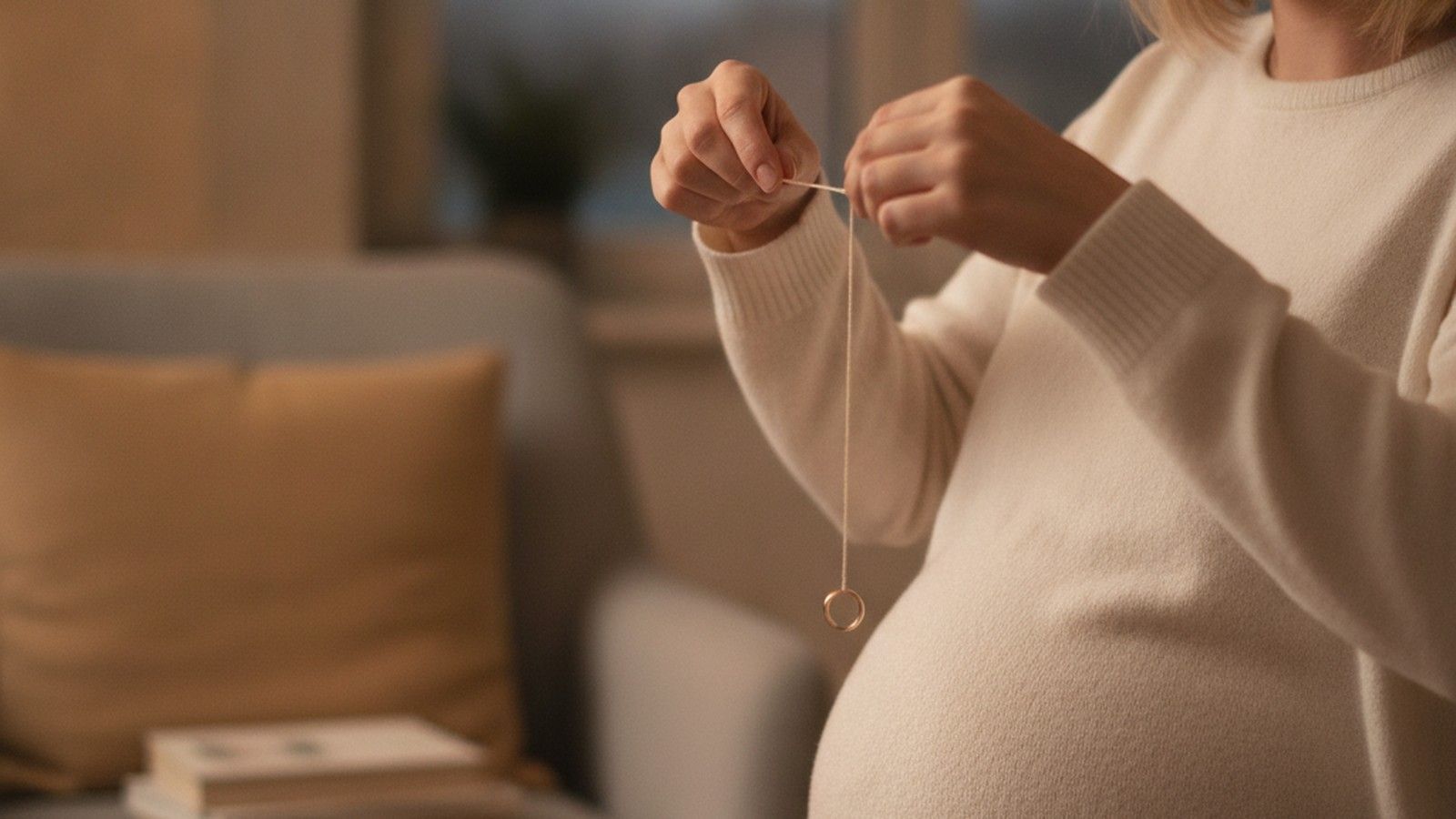
The claim: dangle your ring over the bump; a back-and-forth swing means a boy, a circle means a girl. The truth: the ring moves because your hand moves. That's the ideomotor effect, the same thing behind a Ouija board.
The baking soda test
The claim: add urine to a spoon of baking soda; fizz means a boy, flat means a girl. The truth: baking soda reacts to acidity, which depends on diet and hydration, not the baby. It's a chemistry demo, not a test.
The dangling key
The claim: hand someone a key; grabbing the round end means a girl, the narrow end a boy. The truth: this is a party trick with a coin-flip outcome and no biology behind it.
The garlic test
The claim: eat a clove of garlic, and if the smell seeps from your skin you are having a boy. The truth: garlic odor depends on metabolism and how much you ate. That's all.
Calendars and number tricks
The Chinese gender calendar
The claim: cross your age at conception with the month you conceived on an old chart to reveal boy or girl. The truth: it is tradition, not science, and it scores about the same as a coin toss. Fun to try, not a plan.
The Mayan number test
The claim: add the mother's age at conception to the conception year; even means a girl, odd means a boy. The truth: arithmetic cannot see chromosomes. Any number method lands at 50/50.
Nub theory and the Ramzi method
These two are guesses read from an early ultrasound, not true old wives tales. Nub theory reads the angle of the genital tubercle around 12 to 14 weeks; the Ramzi method guesses from placenta position. Skilled sonographers read the nub fairly well later on, but early calls miss often, and Ramzi has no solid evidence. Wait for the anatomy scan to be sure.
What actually predicts a baby's sex
Two tools do the job the tales cannot. NIPT, a simple blood test from about 10 weeks, screens the baby's DNA and reports the sex chromosomes with high accuracy. The anatomy scan at 18 to 20 weeks lets a sonographer see the anatomy directly. Everything else is entertainment.
One gentle note: sex and gender are not the same thing. A scan or blood test shows a baby's sex, not who they will grow up to be. Treat every tale as a game, and never base a real decision on a bump shape or a swinging ring.
When you do get the news, our gender reveal party ideas can help you celebrate in style.
FAQ
Can old wives tales really predict my baby's gender?
No. Every tale here lands at roughly 50/50, the same odds as a plain guess. They are folklore passed down for fun, not medicine.
Is the heart rate gender myth true?
No. Research shows no reliable difference in fetal heart rate between boys and girls. A reading above or below 140 bpm tells you nothing about sex.
What is the earliest accurate way to find out?
NIPT from around 10 weeks is the earliest reliable option. The anatomy scan at 18 to 20 weeks then confirms it visually.
Are sex and gender the same thing?
No. Tests and scans reveal sex, the biology. Gender is how a person identifies, and that unfolds over a lifetime.
Until your test or scan, treat these tales as the party game they are. Want a lighthearted peek at your future little one instead? Try our AI baby generator to imagine the face behind the bump.