When Do Babies' Eyes and Hair Reach Their Final Color?
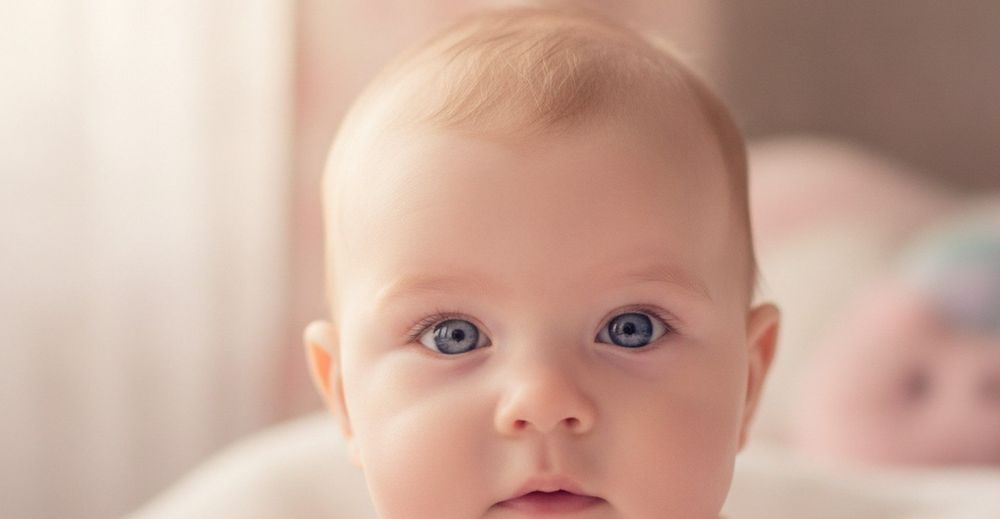
That first color is rarely the final one. Most babies' eyes settle somewhere between 6 and 12 months, and hair can keep shifting for years. The newborn you meet at the hospital may look quite different by their first birthday.
Here's why the change happens and a clear timeline for both eyes and hair, so you know when the color you're looking at is likely here to stay.
Why a baby's color changes at all
It comes down to melanin — the pigment that darkens eyes, hair, and skin. Babies are often born with very little of it, and their pigment-producing cells switch into gear gradually after birth, triggered partly by light exposure.
Because melanin usually builds up rather than fades, color tends to move in one direction: from lighter toward darker. Blue eyes may turn green, hazel, or brown; blonde hair may deepen to brown. The reverse — dark going light — is far less common.
When do a baby's eyes reach their final color?
Many newborns, especially those with lighter skin, start with blue or grey eyes simply because the iris hasn't made its pigment yet. Here's the usual progression:
| Age | What's happening |
|---|---|
| 0–3 months | Iris has little pigment; eyes often look blue or grey |
| 3–6 months | Pigment builds; color may start shifting |
| 6–9 months | Most of the change happens here |
| 9–12 months | Color is usually close to final |
| Up to 3 years | Small further shifts possible |
By the first birthday, most babies are near their permanent eye color, though minor deepening can continue up to around age three. If you want the odds behind which color your baby is likely to land on, see what color eyes your baby will have.
When does a baby's hair color settle?
Hair is even less predictable than eyes, and on a longer clock:
- First months: Newborn hair often sheds — sometimes almost completely — and the color that grows back can differ.
- Toddler years: Hair color and texture keep shifting as new follicles mature.
- Puberty: A final darkening is common; many light-haired kids become noticeably darker teens.
So a blonde toddler turning into a brown-haired adult is completely normal — the color simply deepened as melanin increased.
Signs the color is probably final
A few rules of thumb for when to stop expecting change:
- Eyes: If they haven't shifted by around 12 months, they're likely set.
- Hair: Early-childhood color is a decent guide, but expect possible darkening at puberty.
- Darker is stickier: Once eyes or hair have gone brown, they rarely reverse to light.
Do all babies start with blue eyes?
No — this is a common myth. Babies with more melanin from birth, common in families with darker skin and eyes, often start with brown or dark eyes that stay that way. The "all babies have blue eyes" idea mainly reflects lighter-skinned newborns.
Can't wait to see how they'll look?
Watching the changes is part of the fun, but if you're curious now, our AI baby generator blends both parents' photos into a lifelike preview of your future child. It's a playful glimpse rather than a forecast — real color, as you've seen, likes to keep you guessing.
FAQ
When do babies' eyes stop changing color?
Most of the change happens between 6 and 9 months, and eye color is usually near its final shade by 12 months. Minor deepening can continue up to about age three. While you wait, our baby eye color calculator works out the odds for each shade from both parents' and grandparents' eyes.
Why are so many babies born with blue eyes?
Because the iris often hasn't produced its melanin yet. As pigment builds over the first months, lighter eyes can shift to green, hazel, or brown. Babies with more pigment at birth start with darker eyes.
Does newborn hair color stay the same?
Frequently not. First hair often sheds and regrows a different shade, and hair can keep changing through childhood, with a common darkening around puberty.
Can a baby's eyes change from brown to blue?
Very rarely. Because melanin usually increases over time, color tends to go from light to dark, not the reverse. Brown eyes almost never lighten to blue.
At what age is hair color permanent?
Early-childhood hair color is a reasonable guide, but it isn't fully locked in — many people see a final darkening during puberty before their adult color settles.