
How to Prepare Your Child for a New Baby (+ AI Baby Portraits for Easier Sibling Introduction)
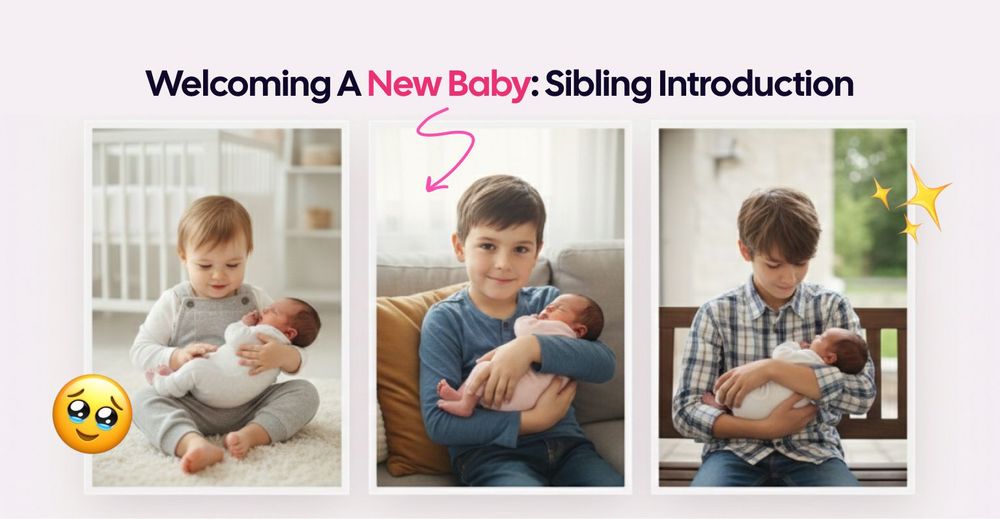
Illustrations are AI-generated
Telling a small child about a new baby works best when the news is concrete, repeated and unhurried. Timing depends on their age rather than on the trimester: toddlers need it late and simple, older children can handle it early. A picture of the sibling helps, because “later” means nothing to a three-year-old.
Plus, little ones may start wondering why Mom's always hugging the toilet. Or why she's too tired to play. Or why her lap has suddenly disappeared. Remember, change is never something young children embrace easily. When changes arrive unexpectedly or unexplained, they become even more unsettling for small minds.
Preparing a toddler for a baby requires thoughtful timing, age-appropriate strategies, and visual tools, like AI future baby portrait generators that make abstract concepts concrete and more understandable for your child. This guide explores how to introduce the idea of a new sibling in ways that prevent jealousy and build excitement.
Why Toddlers Struggle with New Siblings (The Psychology Behind It)
Young children live in the present moment. Abstract concepts like "in six months" mean nothing to them. Toddler baby jealousy often stems from this inability to understand time and change. When parents announce a pregnancy, toddlers cannot visualize what this means for their daily life.
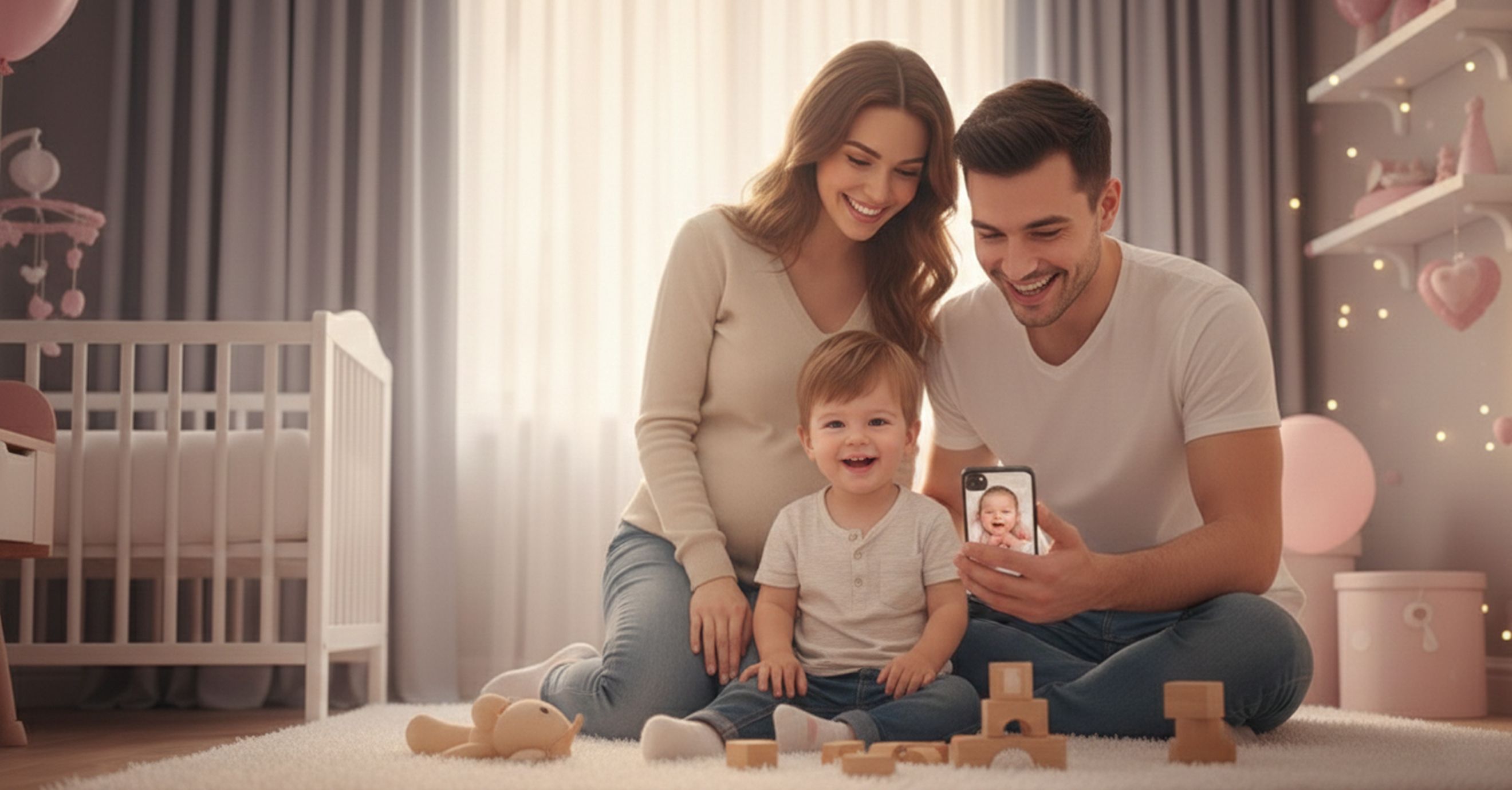
The attachment a two- or three-year-old has to parents is at its peak. They need constant attention and reassurance. Child psychologists note that toddlers think concretely rather than abstractly. They need to see a future baby portrait, touch, and experience things to understand them. Simply saying "Mommy has a baby in her tummy" doesn't help a toddler grasp the reality. This is where visual preparation becomes crucial.
How to Tell Toddler About New Baby: Visual Learning
At ages two to four, children process information best through pictures, stories, and tangible objects. Sibling preparation becomes significantly more effective when parents provide something concrete to reference.
Reading books about new babies helps. Going through the toddler's own baby photos creates a connection. But showing an actual image of what the new baby might look like? That transforms the entire conversation from abstract to real.
Visual aids give toddlers something to return to repeatedly. They can point to the image. Ask questions about it. Start building a relationship with this person before arrival. This familiarity reduces fear and builds anticipation instead of anxiety.
Introducing Sibling to Toddler with a Baby Photo
Before introducing the concept to a toddler, many parents find it helpful to preview what their baby will look like using predictive technology. This creates a concrete image to work with during preparation activities.
An AI baby generator analyzes both parents' facial features to create realistic baby photos. These images become powerful tools for preparing toddler for baby because they make the abstract concept visible and real.
The process takes just minutes. Upload clear photos of both parents. The technology examines facial structure, eye color, skin tone, and other genetic markers. Within seconds, a realistic baby image appears — something toddlers can actually see and relate to.
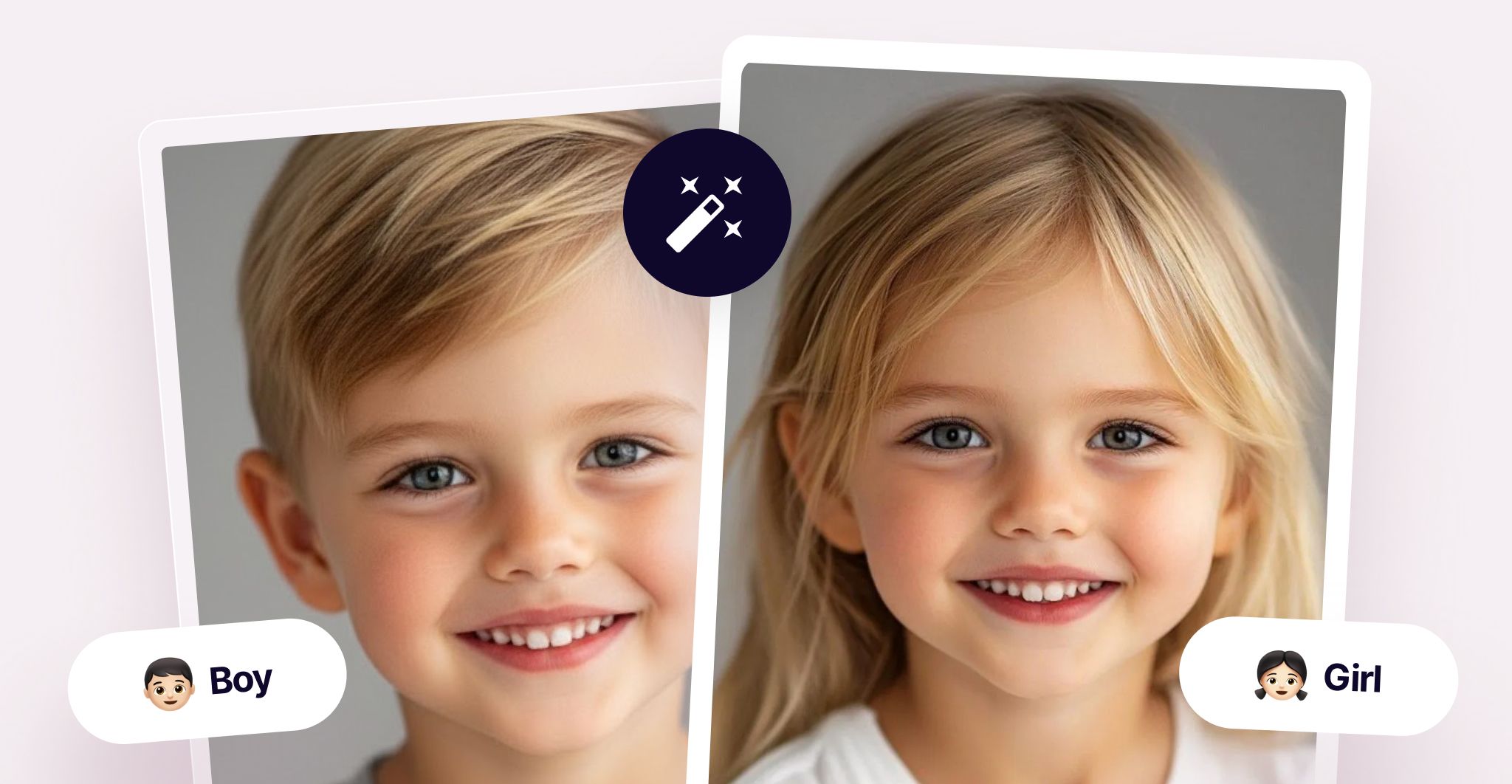
Having this visual allows parents to create photo books, bedtime stories, and activities that all feature the same consistent image. This repetition helps toddlers form a mental picture of their future sibling. For best results with any predictive imaging tool, use high-quality, well-lit parent photos to ensure the most accurate baby visualization.
Parents can generate different versions showing the baby at various ages. Some families create images of the baby as a newborn, toddler, and child. This helps older children understand that babies grow and eventually become playmates.
Age-Appropriate Introduction Strategies: Big brother Big Sister Preparation
Different ages require different approaches when announcing pregnancy and preparing toddler for baby. The needs of a one-year-old differ drastically from those of a four-year-old. Here's how to tailor the message effectively.
Sibling Transition Tips For 12-24 Month Olds: Simple and Gentle
Very young toddlers have limited verbal comprehension. Keep announcements simple and brief. Show them the baby's photo without lengthy explanations.
Do:
- Use simple words: "Baby coming soon"
- Show the same photo repeatedly over time
- Let them touch the parent's belly
- Read basic baby board books together
Sibling Transition Tips For 2-3 Year Olds: Stories and Immersion
Two- and three-year-olds thrive on stories and make-believe. The best immersion for these little ones is a fairy tale approach. Parents can create a personalized story featuring the child as the main character.
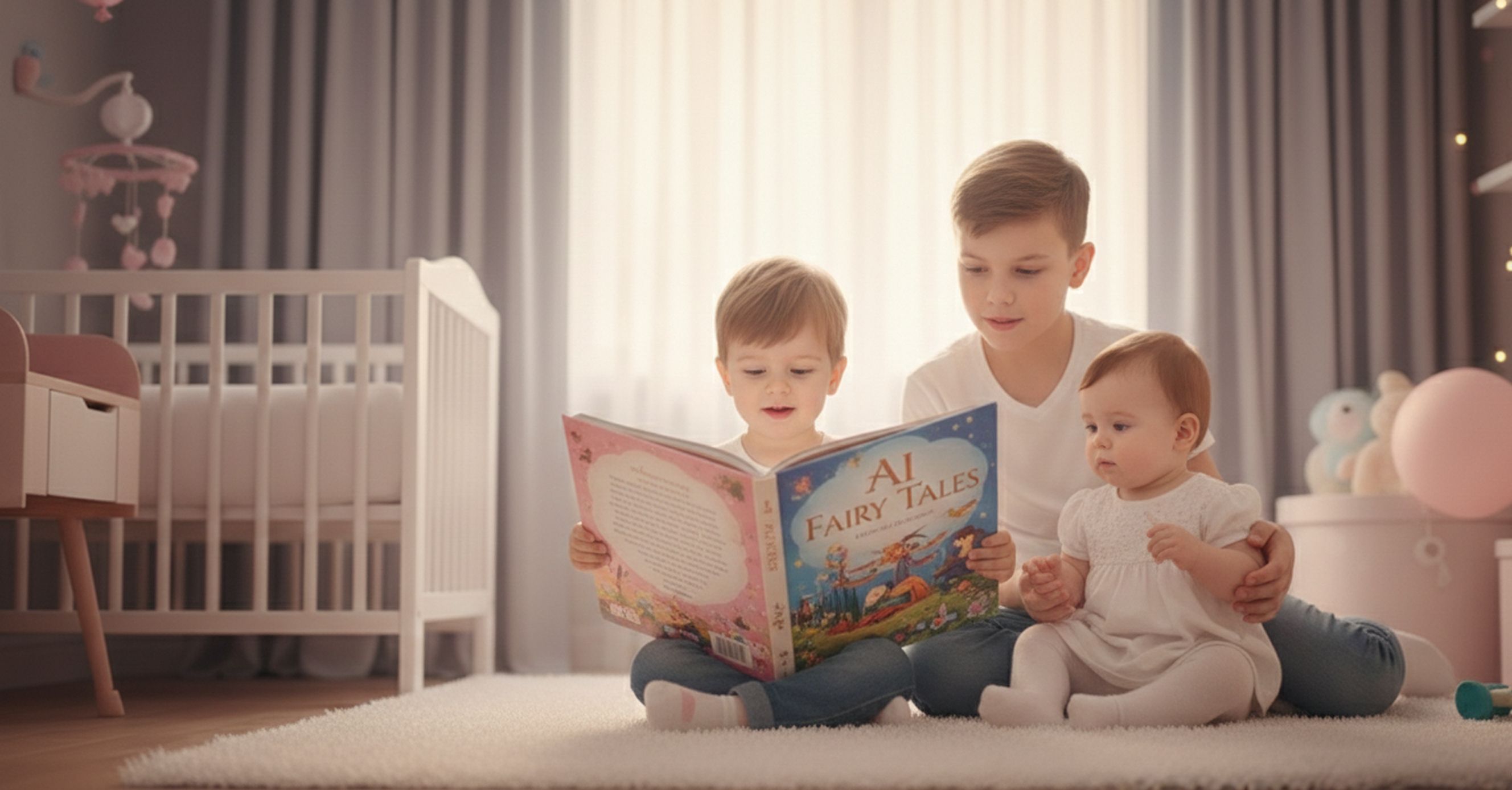
AI photo story
- Generate the story using familiar locations and people from the toddler's actual life. Make it as realistic as possible. Then introduce the future baby's photo during the storytelling.
Visual AI fairy tale
- Even better for immersing toddlers in their growing family? Create a visual fairy tale. Use the baby's generated image in a family portrait showing parents, existing children, and the new addition. Present this photo during the story to deepen the child's understanding.
Celebration time
Another approach: throw a simple celebration to announce the future baby. Make it independent of any other holiday. Just give the toddler a pleasant surprise. When they ask why the family is celebrating, show the photo of the future family together, generating it in Family portrait mode in an AI Baby Generator.
Sample conversation: "We're celebrating because Mommy is growing a baby. Soon we'll have another person in our family. See? This is what the baby will look like. This baby will be part of our family, just like everyone else in our family."
Sibling Transition Tips For 3-4 Year Olds: Involvement and Details
Older toddlers can grasp more complex explanations. They can participate actively in sibling preparation. These children often have questions and strong opinions about everything.
Sibling gathering
Invite their existing siblings (if any) for a gathering. Tell all the children together about the family expansion. This makes the announcement feel celebratory rather than threatening.
Three- and four-year-olds can help choose baby items. They can pick out a stuffed animal to give the baby. They can help set up the nursery. This involvement transforms them from passive observers to active participants.
Share specifics about timing if possible. "The baby will come in summer when school is finished. We'll all have time together as a family." Connect the arrival to something they understand.
Making a "Big Brother/Sister" Photo Book
A personalized photo book becomes a powerful tool for preparing toddler for baby. This tangible object gives toddlers something to hold, revisit, and share with others.
Materials needed:
- Printed baby photo from the baby generator
- Family photos (current family members)
- Blank scrapbook or photo album
- Markers, stickers, decorations
- Simple cardstock or construction paper
Let the toddler help decorate pages with stickers. Allow them to add their own drawings. The more they participate in creating it, the more ownership they feel.
Expert Tips from Child Psychologists For Preparing Your Child for a New Baby
Professional guidance helps parents navigate sibling preparation more effectively. Here are evidence-based strategies from child development experts:
"Focus on the concept of 'our baby' rather than 'Mommy's baby'", say pediatric psychologists. "This inclusive language helps toddlers feel part of the experience rather than excluded from it."
Schedule one-on-one time with the older child daily. Even fifteen minutes of undivided attention helps fill the toddler's emotional cup. No phone, no distractions, no baby. Just focused time on whatever activity the child chooses.
Maintain routines as much as possible. Toddlers thrive on predictability. When everything else is changing, routines provide a sense of safety.
Real Stories: How Parents Prepared Their Children for a New Baby
These authentic examples show different approaches to sibling preparation:
Emma's Story (Daughter age 8): "I gave my daughter a 'big sister' t-shirt around ten weeks. She was confused at first, asking who was a big sister. Then I showed an ultrasound picture and told her it was twins. Her mind was blown! The whole pregnancy, she told everyone about becoming a big sister. Now they're here, and she asks for photos every day."
Michael's Experience (Son age 9): "My son wanted a sibling his whole life. When we told him, he was more excited than anyone! He loved my pregnancy cravings. He'd say 'Mom, the baby wants tacos!' and we'd make a Taco Bell run. We let him help pick nursery items. He's an amazing protective big brother now."
Lisa's Approach (Daughter age 10): "She always wanted a sibling but knew we had conception trouble. Getting her the big sister shirt was perfect. It took a minute to sink in, but then she was thrilled. She's been so sweet through the whole process."
Frequently Asked Questions About Sibling Preparation
When should I start preparing my toddler for a new baby?
Most experts recommend announcing around the second trimester when the pregnancy becomes visibly obvious.
How do I explain pregnancy to a 2-year-old?
Keep explanations simple and concrete. Use phrases like "Mommy is growing a baby in her belly" and "Soon we'll have a new baby in our family." Show pictures and let them feel the belly when the baby kicks. Avoid complex biological details that will confuse rather than clarify.
Will showing my toddler a baby photo really help with sibling preparation?
Yes, visual aids significantly improve toddler understanding. Children this age think concretely, not abstractly. Having an actual image to reference makes the concept real. They can point to the photo, talk about it, and start forming a mental relationship with the future sibling before arrival. Many families find that understanding genetic inheritance helps them explain to older toddlers why the baby might look a certain way.
Want to help your child visualize their future sibling? Try our AI Baby Generator and create a realistic baby portrait in seconds.