
Top 10 Facts About How Your Future Baby Will Look: How Genes Are Passed from Parents to Offspring
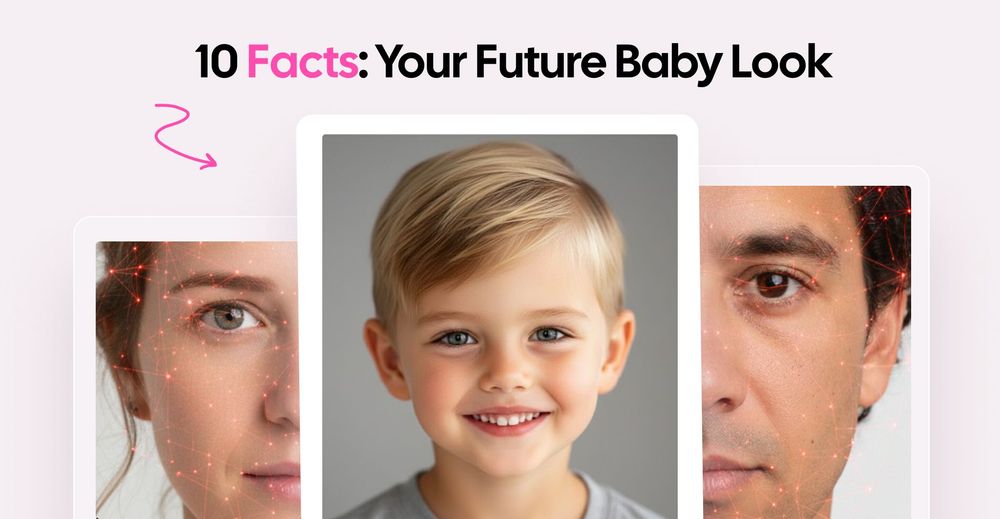
Illustrations are AI-generated
Short answer: Your baby inherits 50% of DNA from each parent, but many traits come from complex gene combinations — and today AI tools can even visualize what your child might look like.
Have you ever wondered: how will my baby look? Understanding baby appearance genetics
helps predict traits. Modern technology now offers new ways to visualize what a potential future baby will look like. Let’s break down how your family’s genes shape your baby’s appearance.
How Will My Baby Look: The Foundation of Your Baby's Appearance
We live in a world where nearly every area of human life has been thoroughly researched. Scientists are currently conducting in-depth investigations in cellular biology, particle physics, nano chemistry, and outer space. We hold all the cards: the most sophisticated technological laboratories at our disposal. What can we say—we are already colonising Mars and searching for new planets for humanity. However, there is one amazing thing that still eludes complete and multifaceted study. This is due to the incredible complexity of it. This is human genetics and the creation of a child.
The History of Studying How Genes Pass to Children
Ever since Mendel's time, people have been interested in baby genetics. They wondered how they transfer from one parent to another and to their future child. How are they distributed? Why can two children from the same parents be completely different?
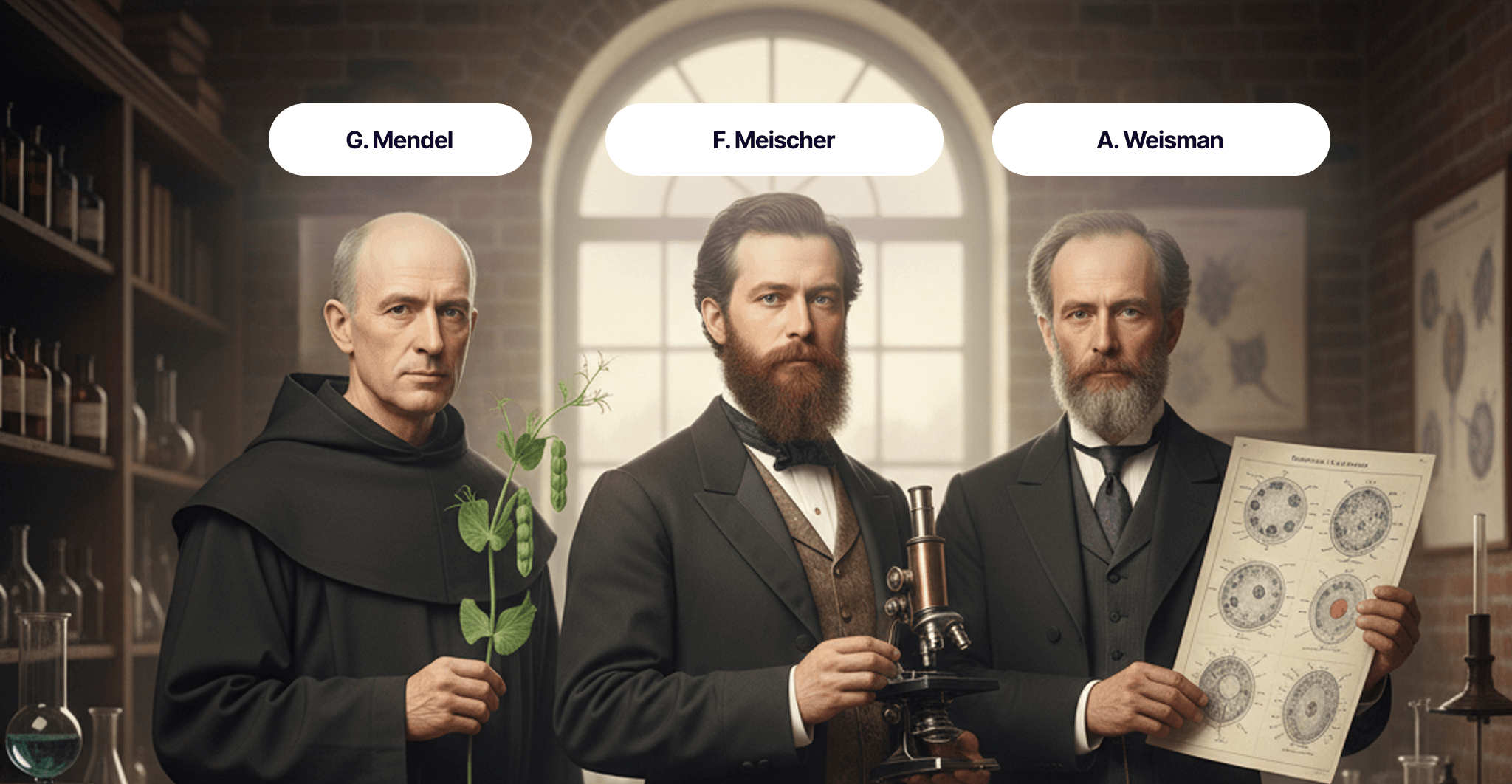
How much influence do the genes of grandparents and great-grandparents have, and in what proportions? In 1865, Gregor Mendel published his paper "Experiments on Plant Hybrids." In 1869, Friedrich Miescher discovered DNA as the main component of nuclei, which he named nuclein. In 1885, August Weismann suggested that the number of chromosomes in sex cells must be half that in somatic cells. But these discoveries still don’t answer all the questions future parents have about baby appearance genetics.
The Divine Touch in Baby Genetics
All this has remained shrouded in mystery for many thousands of years. These processes are considered divine. No matter how atheistic a scientist may be, no matter how much he may deny the existence of a divine touch in this area of human life, none of them has been able to give a definite answer. Even more so, no one can accurately predict exactly what traits our future child will have.
As far back as the 15th century, people asked themselves this question. It was not primarily out of idle interest and to satisfy human curiosity. It was a cunning calculation by royal families to predict how exactly they could influence the genes of their future heir. However, of course, this was never successful. In the end, no one ever discovered the secret or formula for predicting what your future baby will look like.
The Complexity of Facial Genetics
Not only are there a slew of genes involved in each particular facial region. The variants uncovered thus far don't account well for the specifics of each face. In a survey of the genetics of faces in the 2022 Annual Review of Genomics and Human Genetics, Weinberg and his colleagues gathered GWAS results. They examined the faces of 4,680 people of European ancestry.
Known genetic variants explained only about 14 percent of the differences in faces. An individual's age accounted for 7 percent, sex for 12 percent. Body mass index accounted for about 19 percent of the variation, leaving a whopping 48 percent completely unexplained. But we still have some facts to consider on this topic. Dive further.
Fact #1: Your Baby Gets Exactly 50% DNA from Each Parent (But That's Not the Whole Story)
Contemporary research into genetic transmission from parents to children has revealed fascinating patterns. But still, we already have some data, at least based on studies of existing families. These include existing parents and their children, as well as their grandparents and great-grandparents, through thousands of tests. We have already established some correlations and patterns regarding future children.
Understanding Gene Expression Patterns for Baby Genetics
A groundbreaking study published in Nature Genetics revealed how gene expression in mice varied based on parental origin. Around 60% of paternal genes demonstrated stronger expression than maternal ones.
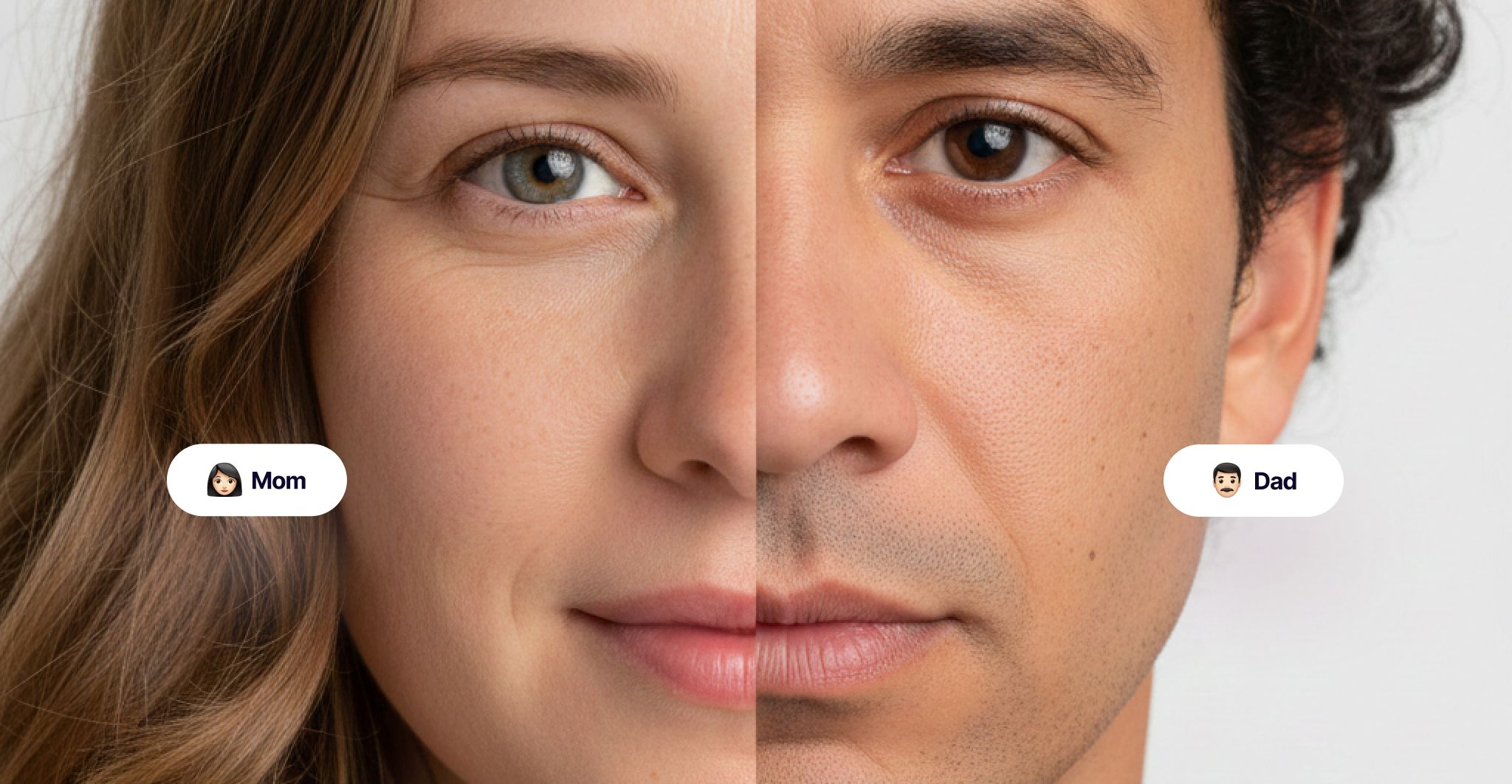
This suggests that though children receive half of their DNA from each parent, the genetic material's manifestation isn't necessarily evenly divided. This means that inherited genetic mutations from the father are more likely to manifest than those from the mother. This phenomenon underpins several intriguing facts that follow.
Fact #2: Maternal Genes Have a Special Influence on the Intelligence of a Future Baby
Maternal genes are passed directly to the cerebral cortex. Some studies suggest that certain cognitive traits may be linked to genes on the X chromosome, but intelligence is influenced by many genetic and environmental factors.
The Cambridge University Discovery
One of the first studies in this field was conducted in 1984 at Cambridge University, followed by many others. These studies analysed brain evolution and genome conditioning. They led to the conclusion that maternal genes contribute most to the development of thought centres in the brain.
According to the National Institute on Aging, a mother's X chromosome affects learning and memory in later life.
Fact #3: Facial Shape Is Really a Combination of Common and Rare Variation
"Facial shape is really a combination of common and rare variation," says Peter Claes. He is an imaging geneticist at KU Leuven in Belgium. As a possible example, he points to French actor Gérard Depardieu's distinctive nose. "You don't know the genetics yet, but you feel this is a rare variant," he says.
Understanding How My Baby Will Look
Sometimes traits from grandparents can reappear due to recessive genes. Most often, this is how it happens. This is again confirmed by some in-depth research at the cellular level. It is also confirmed by studies conducted specifically on a sample of thousands of people and comparing their traits using artificial intelligence.
Another well-known but nevertheless very interesting fact is this: women's facial features are most often inherited from their mothers and grandmothers. Hair colour and lip shape are the most commonly passed-down traits.
Fact #4: A Father's Lifestyle and Genetic Mutations Can Affect Several Generations
However, a father's lifestyle and the genetic mutations associated with it can affect several generations to come. Research from ScienceDaily confirms this fascinating phenomenon.
Paternal Gene Expression Dominance to Predict Baby Face
The groundbreaking Nature Genetics study revealed patterns in how genes are passed to children. Around 60% of paternal genes demonstrated stronger expression than maternal ones. This suggests inherited genetic mutations from the father are more likely to manifest.
Fact #5: Gender Determination Comes Entirely from Father
This is a universally acknowledged fact: fathers, not mothers, determine the sex of their offspring. While both parents contribute chromosomes, mothers possess only X chromosomes. They can only provide an "X" sex chromosome to their children.
Fact #6: Risk of Heart Disease Passes Through the Y Chromosome
Not all genetic influences are benign. Men carrying the Y chromosome haplogroup I are 50% more likely to have heart disease. This is a risk they can pass on to their sons. On a positive note, this risk cannot be transmitted to daughters as it is confined to the Y chromosome.
Fact #7: Certain Traits Children Inherit Specifically from Their Grandparents
There are certain characteristics and traits that children inherit specifically from their grandparents. Understanding how my baby will look involves recognizing these generational patterns.

The Left-Handed Gene
This gene, which is responsible for making a person left-handed, is usually passed down through the male line. It transfers from grandfather to grandchildren. This gene is passed on to women much less frequently.
The "Depressive Gene"
A tendency towards depression is passed down to a person from their maternal grandmother. A predisposition to mood disorders may run in families due to a mix of genetic and environmental factors.
Fact #8: Eye Color Prediction Has Become More Accurate
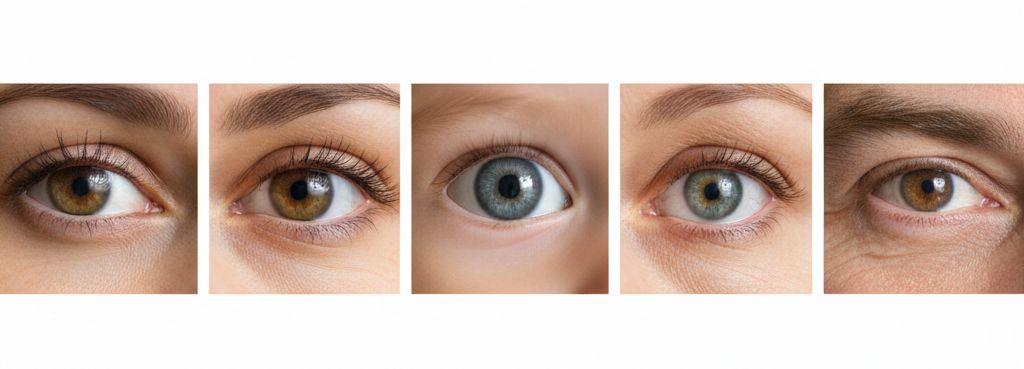
Of course, we have long been able to predict baby face, and precisely what colour a child's eyes will be. There are many different resources for this purpose. They are more or less reliable and more or less accurate based on tests of many thousands of families. These families have confirmed that specific eye colours are passed on in a fairly predictable pattern.
Fact #9: Modern AI Technology Helps Visualize How Will My Baby Look
Therefore, it is impossible to plan what our own baby will look like with complete accuracy. We can only rely on the miracle of nature and rejoice in it. However, modern technology offers exciting new possibilities.

The Rise of AI Future Baby Portraits
Advanced AI baby generator platforms now analyze dozens of facial features from both parents and predict baby face. These sophisticated systems combine genetic knowledge with artificial intelligence to create realistic visualizations.
Fact #10: You Can Even Try Celebrity Mashup Predictions
Want to explore genetic combinations in creative ways? You can create celebrity mashup baby predictions. This safe and fun feature visualizes what a child might look like, combining different facial characteristics.
Creating Viral Content with Baby Predictions
These AI-powered predictions have become increasingly popular on social media. Many couples share their viral AI content on Instagram. The trend continues to grow as technology improves.
Final thoughts
While babies receive 50% DNA from each parent, certain traits show stronger inheritance patterns. However, most visible traits like eye color, hair texture, and facial features are polygenic. They are influenced by genes from both parents and even grandparents, working in a mysterious combination.