
What Will My Mixed-Race Baby Look Like?
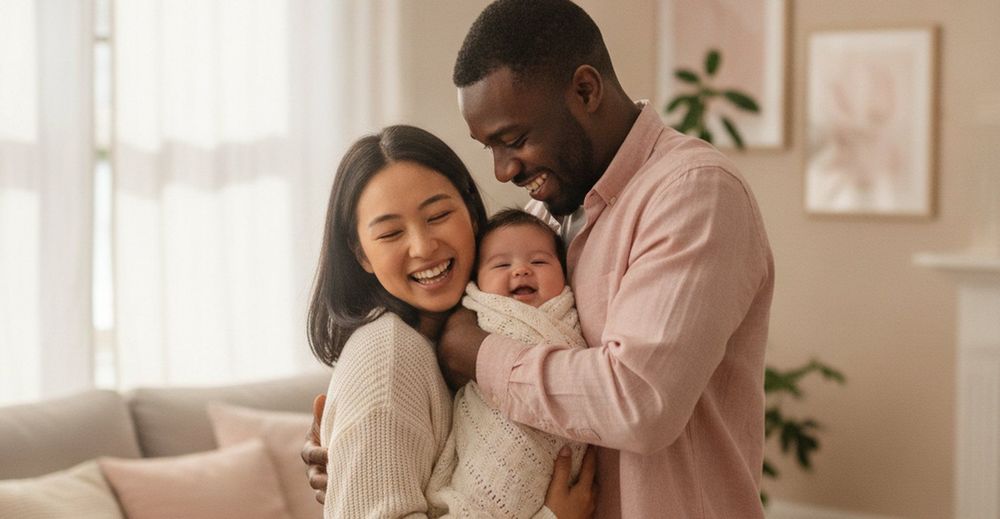
The honest, joyful answer: there's a wide range, and no way to know the exact result in advance. A mixed-race baby inherits a blend of both parents' features — but because so many genes are involved, the outcome can land anywhere across a broad spectrum.
That range is the whole point. Two siblings with the same parents can look different from each other, and every combination is completely normal. Here's what genetics says about how the features come together.
The short answer: a blend, with a wide range
Your baby inherits each visible trait independently — skin tone, hair, eyes, facial features — and many genes shape most of them. That means your baby won't be a simple "average" of both parents. They'll be a fresh mix, and the mix can favor one side, the other, or sit anywhere in between.
There's no single "mixed-race look." There are as many outcomes as there are children.
Skin tone: the widest range of all
Skin color is polygenic — controlled by a set of genes that each add a little more or less melanin. Because a child inherits a random combination of those genes from both parents, the possible skin tones span a broad range:
- A baby may be lighter than both parents, darker than both, or somewhere in the middle.
- Newborn skin often deepens over the first year as melanin production ramps up, so the birth shade isn't the final one.
- Siblings frequently land on noticeably different tones — all equally expected.
This is why predicting an exact shade is impossible, and why the results are so varied and beautiful.
Hair and eyes: mixed and independent
Hair and eye color follow their own genes, separate from skin tone and from each other:
- Hair can range from tightly curled to straight, dark to light, because color and texture pass down independently. A child can have one parent's curl pattern and the other's color.
- Eyes often trend toward brown, since brown is dominant — but green, hazel, and even blue are possible when the right recessive genes line up on both sides.
You can dig into the specific odds for what color eyes your baby will have if that's the trait you're most curious about.
Why siblings can look so different
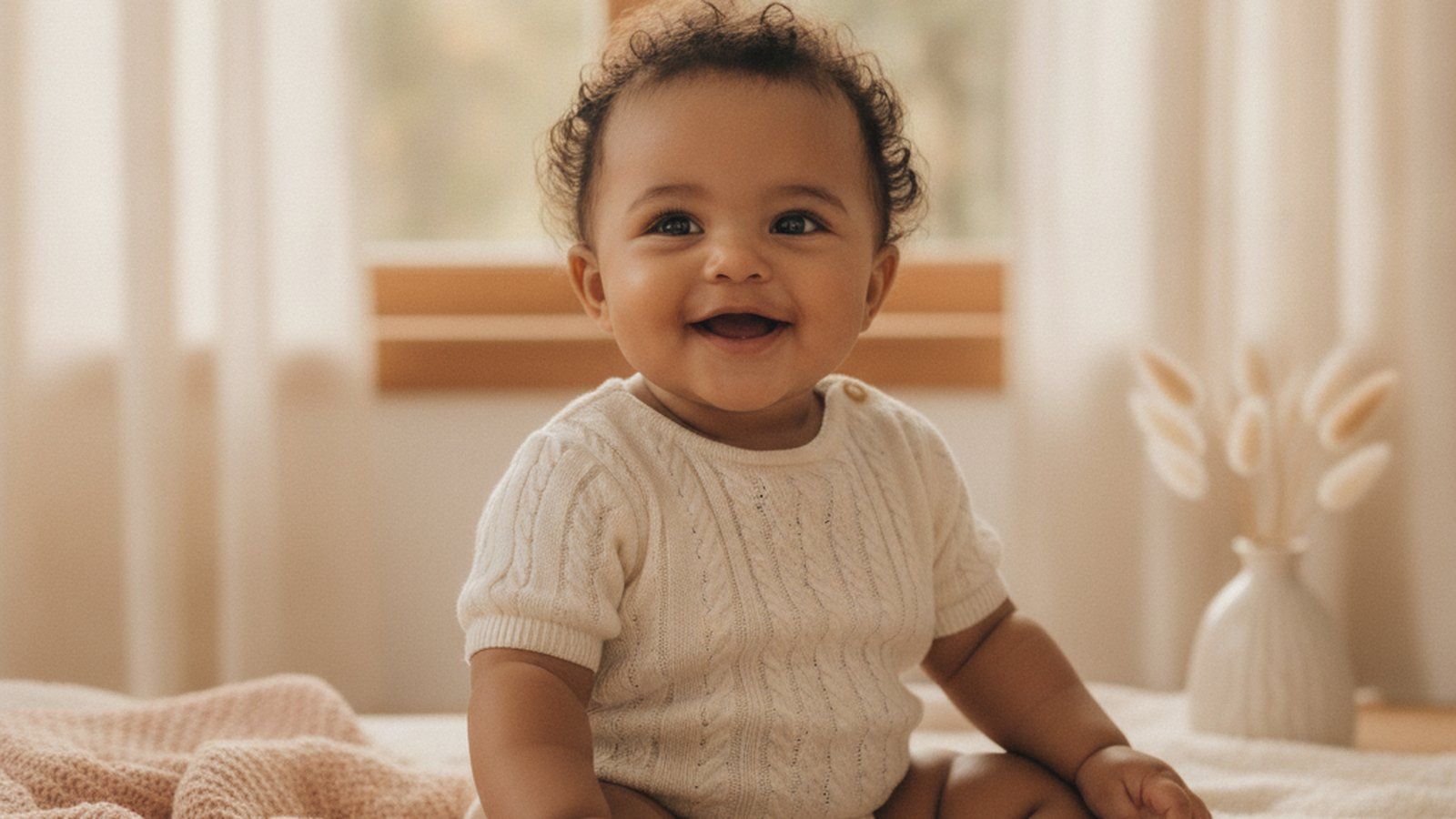
Each child inherits a different random draw from the same parents' genes. With skin, hair, eyes, and facial structure each shuffled separately, the number of possible combinations is enormous. That's how the same couple can have one child who favors mom's features and another who favors dad's — a common and wonderful outcome in mixed-race families.
A few things to keep in mind
- The birth look isn't the final look. Skin, hair, and eye color all keep developing over the first months and years.
- Dominant traits show up more often, but recessive surprises are always possible.
- There's no "right" result. Every blend is a healthy, normal expression of both parents' heritage.
Curious to see one possible mix?
You don't have to wait to imagine it. Our AI baby generator blends both parents' photos into a lifelike baby face, giving you one playful preview of how the features might come together. Because the real genetic range is so wide, treat it as a fun glimpse — one of many possible little faces your family could welcome.
FAQ
What will my mixed-race baby look like?
A unique blend of both parents' features, drawn from a wide genetic range. Skin tone, hair, and eyes are each inherited separately, so the result can favor either parent or fall anywhere in between.
Why is my mixed baby lighter or darker than both parents?
Many genes control skin color. A child inherits a random combination, so they can end up lighter than both parents, darker than both, or in the middle — all normal outcomes.
Can mixed-race siblings look completely different?
Yes, and it's common. Each child gets a different random mix of the same parents' genes, so siblings can differ noticeably in skin tone, hair, and features.
Will my baby's skin tone change after birth?
Often, yes. Newborn skin frequently deepens over the first year as melanin production increases, so the shade at birth isn't necessarily the final one.
What eye color will a mixed-race baby have?
Brown is most likely because it's genetically dominant, but green, hazel, and blue are all possible when both parents carry the right recessive genes. Our baby eye color calculator puts a number on each outcome once you add the grandparents.