
Is Left-Handedness Genetic? What Parents Should Know
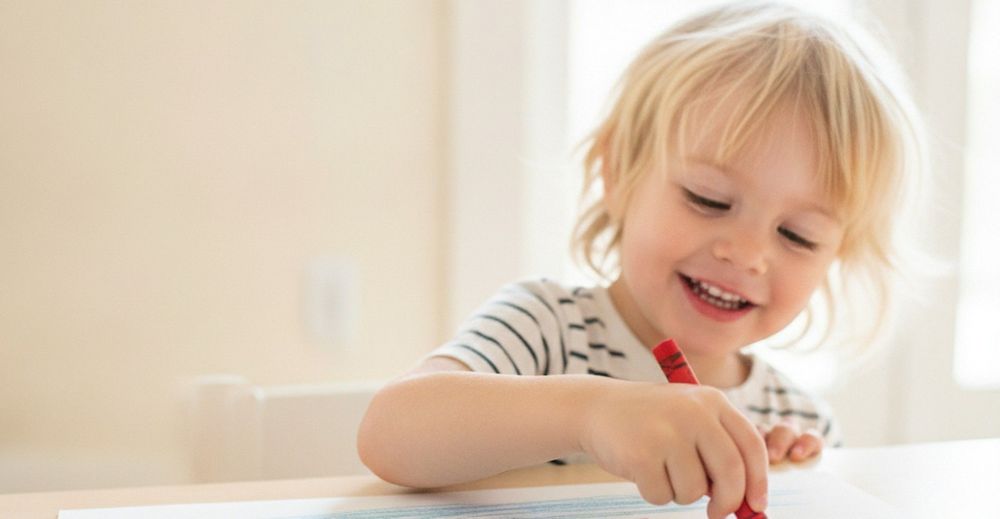
Illustrations are AI-generated
So, is left-handedness genetic? Partly, but it is not simple. Genes explain only about a quarter of why a child writes with one hand. There is no single "left-handed gene," and how the brain develops before birth plays a big role too.
That mix is why handedness runs a little in families yet still surprises people. Two right-handed parents can have a lefty. Below is what the science actually says, in plain terms.
How common is left-handedness?
About one in ten people are left-handed, and that share has held steady across cultures. Right-handedness is far more common, but it is not the whole story.
Handedness is really a spectrum, not two neat boxes. Some people are strongly one-handed. Others are mixed-handed, favoring the left for some tasks and the right for others. A smaller group is close to ambidextrous, using either hand with ease.
The genetics: many genes, tiny effects
Handedness is polygenic. That means many genes each nudge the odds a little, rather than one gene flipping a switch. No single left-handed gene exists.
The heritability of handedness sits around 25%. So genes account for roughly a quarter of the difference between people, and other factors fill the rest. It is a real genetic thread, just a modest one.
Identical twins share nearly all their DNA, yet they are not always the same-handed. In many twin pairs, one is a righty and the other a lefty. That alone shows genes cannot be the full answer.
Researchers have linked handedness to genes involved in brain asymmetry and how the body's left-right axis forms early on. These are broad influences on how the brain and body lay out their sides, not a tidy on-off code for your writing hand.
Do left-handed parents have left-handed kids more often?
Yes, the odds rise, but nothing is certain. With two right-handed parents, a child has roughly the 10% baseline chance of being left-handed.
When both parents are left-handed, the odds climb to around one in four. One left-handed parent lands somewhere in between. These are rough probabilities, not guarantees, which fits the polygenic picture. If you are curious how odds stack for other features, see how dominant and recessive traits shape what a baby inherits.
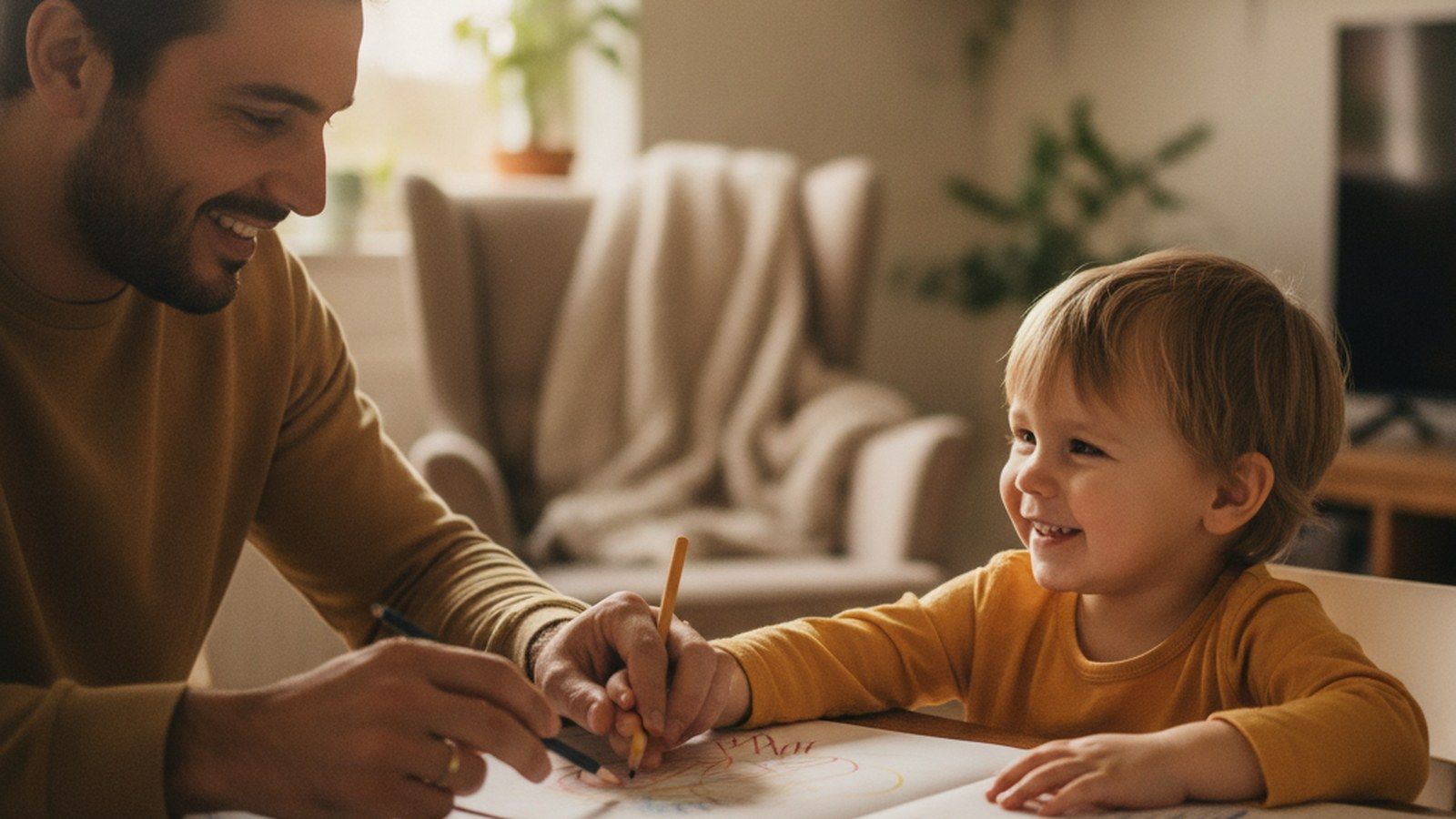
What else shapes a child's hand?
Genes set part of the stage, and early development does the rest. Prenatal development matters a great deal. Babies show hand and thumb preferences in the womb, well before genes could act alone.
Position in the womb and other random developmental factors add their own tilt. This is also why identical twins can differ. Small, chance events during growth help decide which hand leads.
Two myths are worth dropping. Handedness is not caused by parenting or imitation, and it is not a habit to correct. Forcing a left-handed child to switch hands brings stress with no real benefit, so let the natural hand lead. The same "born this way" logic explains why freckles are genetic rather than caught or taught.
When can you tell a child's hand preference?
Often not until age three or four, and sometimes later. Toddlers frequently swap hands, and an early favorite can switch as fine motor skills mature.
A steady preference for grabbing, drawing, and eating usually settles during the preschool years. Until then, offer toys and utensils at the midline and watch which hand your child reaches for.
FAQ
Can two right-handed parents have a left-handed child?
Yes. With two right-handed parents, a child still has about a 10% chance of being left-handed. Because many genes and prenatal factors are involved, a lefty can appear even when neither parent is one.
At what age does handedness become clear?
A stable hand preference often appears around age three to four, though some children settle later. Before that, switching hands is normal, so an early preference is not a firm prediction.
Is left-handedness inherited from the mother or father?
Neither parent alone decides it. Handedness draws on many genes from both sides plus early development, so it is not passed down through the mother or the father specifically.
Should you try to change a child's handedness?
No. Handedness is set by brain wiring, not choice, and forcing a switch causes needless stress. Support whichever hand your child prefers for writing and daily tasks.
Curious what your baby might look like?
Handedness is one small thread in a much larger genetic mix. Want a playful peek at the rest? Try the AI Baby Generator to see a fun preview of your future baby from two photos.